Mentally Healthy Work
Wellbeing, psychosocial risk and workplace mental health.
Manager conversationswork designMHFA support
Explore Mentally Healthy Work →Practical, evidence-informed support for organisations navigating mental health, leadership, performance, team challenges and change.
Workplace issues rarely sit in one place. TWC works across people, leaders, teams and organisational systems to identify the right level of intervention.
These pathways connect common organisational problems to the level of support that may help. The right mix is agreed after understanding your context.
Wellbeing, psychosocial risk and workplace mental health.
Better conversations, judgement and people development.
Stronger teams through change, conflict and complexity.
Build capability to support mental health, manage psychosocial risks and help prevent work-related psychological harm.
When this may fit: Managers are unsure how to respond to concerns; mental health intersects with attendance or performance; work design, escalation, referral or the boundary between management and counselling needs attention; MHFA training needs stronger follow-through.
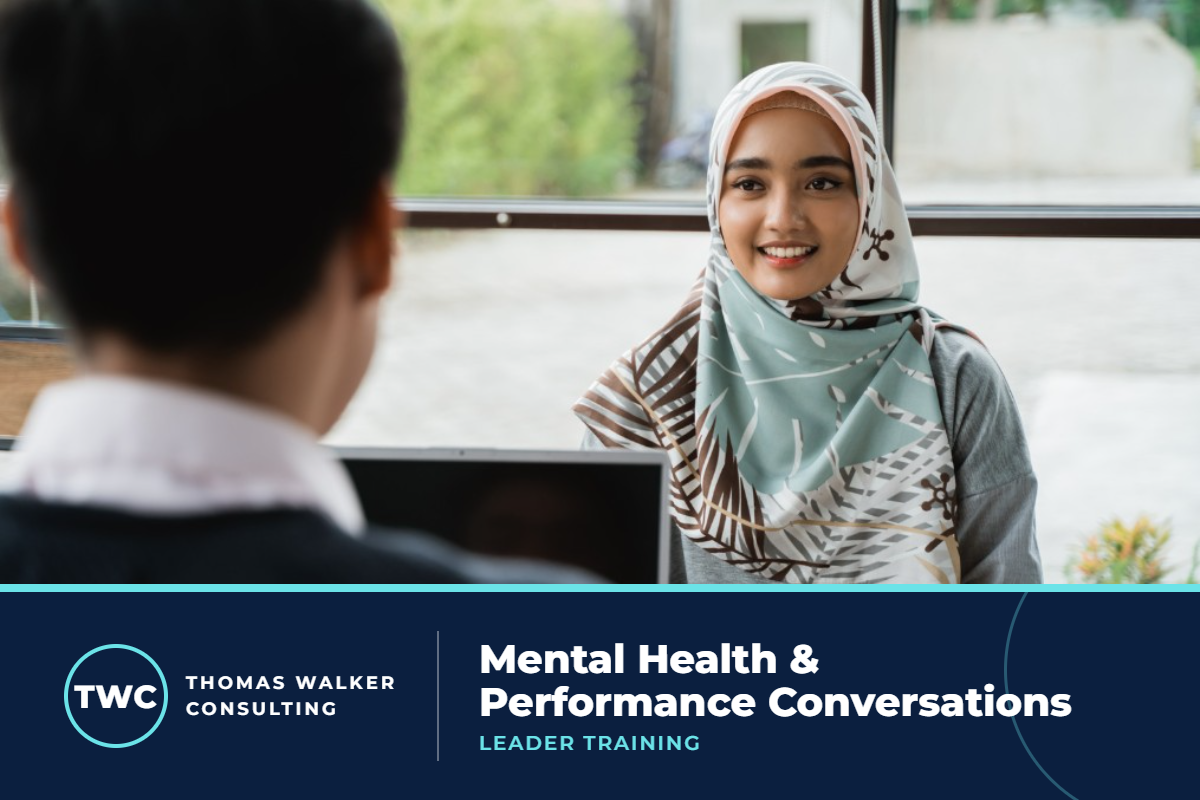
Help managers hold support and accountability together when wellbeing and performance concerns overlap.
Observable behaviour and impact · role clarity · responding to disclosures · boundaries and referral · agreed next steps
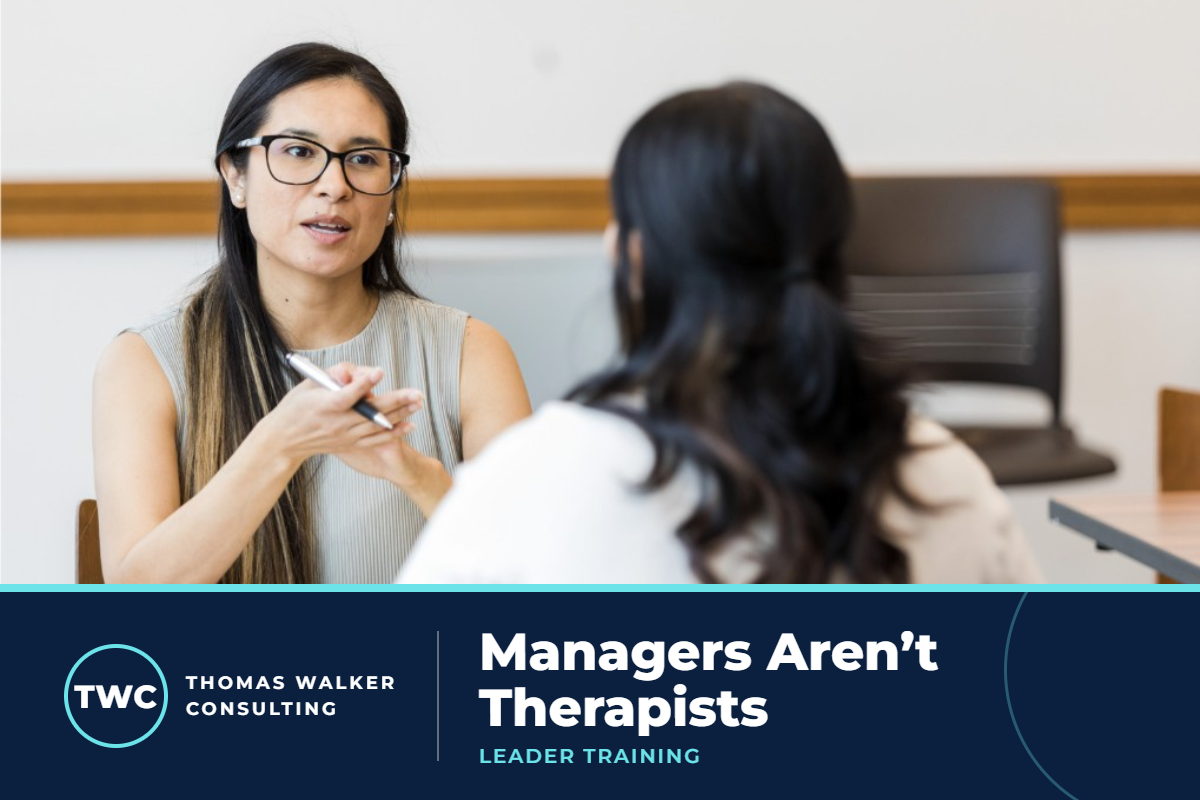
Clarify what leaders can appropriately do, what to escalate and where their role ends.
Supportive conversations · appropriate boundaries · escalation · referral · avoiding a clinical role

Look beyond individual resilience to the work conditions and organisational responses that matter.
Workload and work design · role clarity · leadership behaviour · team climate · psychosocial hazards
Strengthen the pathways and support around mental-health training so people know what happens next.
Manager readiness · escalation · role clarity · organisational support · follow-up and implementation
Help leaders navigate people, performance, pressure and difficult conversations with greater confidence and psychological skill.
When this may fit: Managers avoid difficult conversations or rely on HR for routine issues; advice and fixing crowd out development; wellbeing and performance become blurred; pressure affects judgement, communication or behaviour.
Prepare and hold difficult workplace conversations with clarity, curiosity and accountability.
Observation rather than assumption · listening and inquiry · expectations · discomfort · follow-up
Build coaching capability from foundational conversations to advanced psychologically informed practice.
Foundations · Applied Practice · CBC / ACT advanced electives · Embed

Support motivation, good goals and performance habits that can hold up under pressure.
Meaning and purpose · goal quality beyond SMART · workload · self-regulation · psychological flexibility and recovery
Notice how assumptions and interpretations shape behaviour, then respond more deliberately.
Slow reactive thinking · separate observation from interpretation · reframe · test assumptions
Individual development for leaders who need space to examine decisions, behaviour and their context in more depth.
Explore Leadership Coaching →Discuss organisational coaching →Strengthen team climate, leadership effectiveness and the human side of organisational change.
When this may fit: Restructures, rapid growth or leadership transitions bring uncertainty; trust and survey results are low; conflict, cross-functional friction, change fatigue or unclear expectations keep recurring.

Address the organisational task and the human experience of change together.
Uncertainty and perceived loss · communication · role clarity · employee involvement · practical adaptation
Examine everyday interactions that affect trust, voice, psychological safety and performance.
Quality of interaction · shared expectations · role clarity · team climate
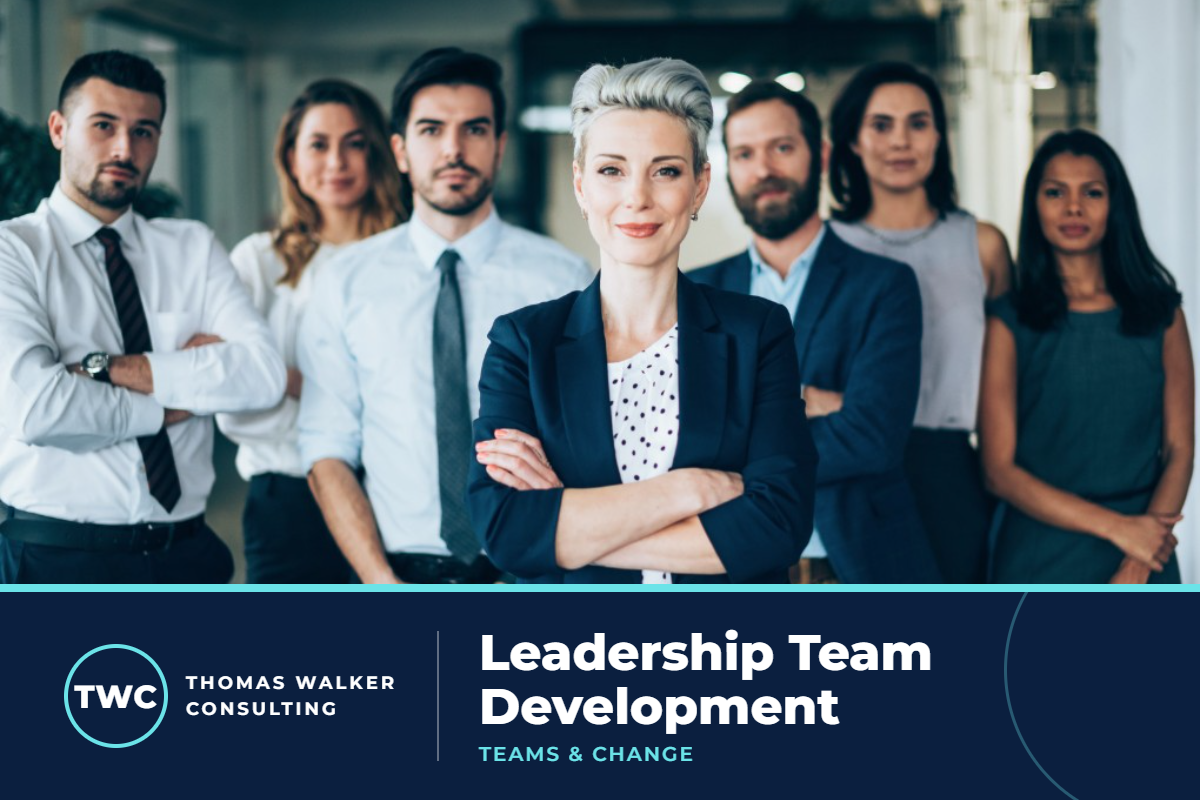
Strengthen how leaders work as a group, including team coaching where useful.
Shared purpose · decisions · accountability · constructive challenge · cross-functional alignment
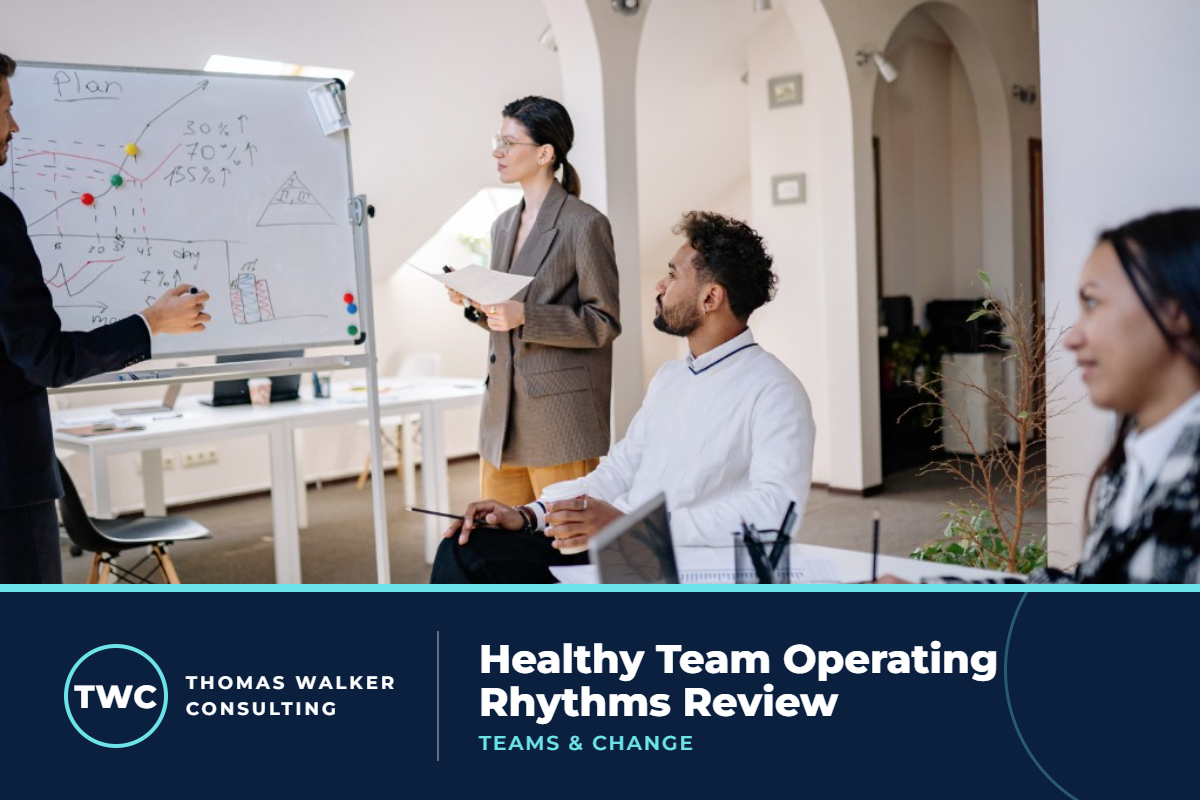
Review the routines through which climate and culture are created day to day.
Meetings and one-to-ones · feedback and recognition · escalation · workload allocation · handovers and learning
The right intervention depends on both the capability required and where in the system the issue sits.
Awareness, regulation, goals, motivation and behaviour.
Trust, listening, difficult conversations, feedback and support.
Role clarity, performance, coaching, decisions and leadership behaviour.
Climate, psychological safety, shared purpose and team dynamics.
Work design, psychosocial risk, culture, change and systems.
TWC does not automatically prescribe training. We first clarify the business need, the level at which the issue sits and the capability required. The response may include training, coaching, facilitation, team development or organisational consulting.
These examples can help you find a pathway. More than one may be relevant.
Tell me what is happening in your workplace and we can identify a sensible next step — training, coaching, team development or organisational support.